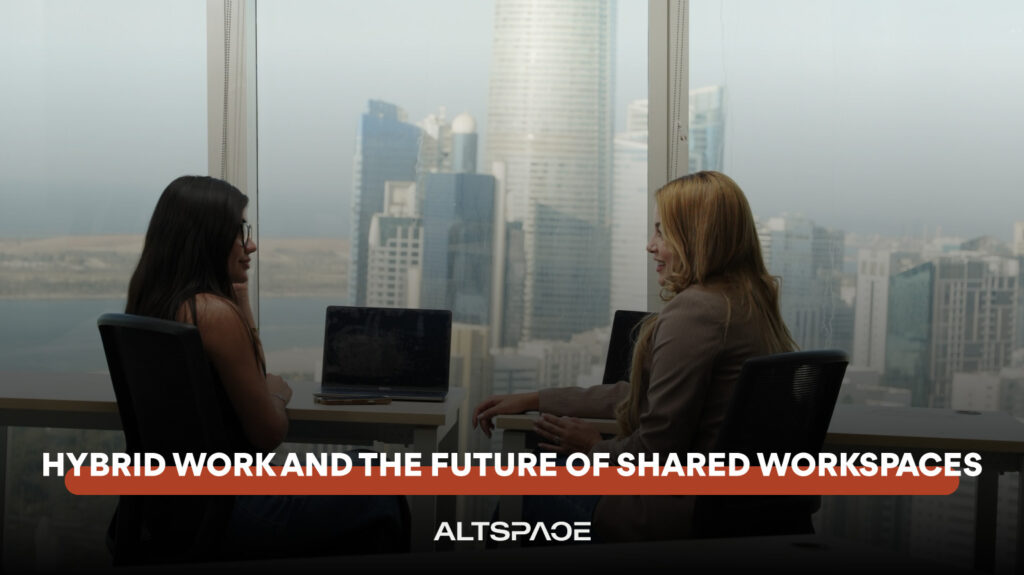
Hybrid work did not reshape how we work overnight. It changed things slowly, almost awkwardly, through trial, fatigue, and quiet adjustment. People experimented. They worked from sofas, from cafés, from spare rooms that were never meant to host eight-hour days. Some days felt productive, others strangely hollow. Over time, patterns emerged, not from policy, but from how people actually felt at the end of the week.
Out of that process came a clearer understanding. Work does not live comfortably in one place anymore. And yet, it does not thrive everywhere either.
This is where shared workspaces have begun to matter again, not as a return to old office habits, but as a response to something hybrid work exposed rather than solved.
Hybrid Work Is Less Flexible Than It Appears
On paper, hybrid work promises freedom. In practice, it asks people to make constant decisions. Where to work today. When to start. When to stop. How much isolation is productive, and when it becomes draining.
Many people are surprised to discover that unlimited choice can be exhausting. Without anchors, days lose their edges. Work leaks into evenings. Focus becomes something you chase rather than enter.
Shared workspaces are reappearing not because people miss offices, but because they miss clarity. A place that quietly answers the question of where work happens, at least for part of the week.
Why the Office Model No Longer Fits
Traditional offices were built for consistency. Same desks, same faces, same hours. That stability once supported collaboration and efficiency. Hybrid work revealed its limitations.
Modern work shifts constantly between modes. Concentration in the morning. Meetings in the afternoon. Administrative tasks squeezed in between. The one-size-fits-all office struggles to support this variety without friction.
For many professionals, returning full-time to an office feels less like structure and more like interruption. Commutes consume energy without improving output. Open layouts fracture attention. Presence becomes performative rather than purposeful.
Shared workspaces avoid this tension because no one is there by default. People arrive because the environment serves a specific need that day. That simple difference changes everything.
What Coworking Spaces in Abu Dhabi Now Offer
The role of coworking spaces in Abu Dhabi in hybrid future is quieter and more considered than it once was. They are no longer defined by novelty, open-plan energy, or constant networking. Instead, their value lies in how they support focused, intentional work. Coworking spaces now function as environments that provide structure without rigidity, human presence without obligation, and clarity without pressure, allowing professionals to work well without being asked to perform or participate beyond what the work itself requires.
Focus Without Isolation
Working from home often feels calm until it doesn’t. Small distractions accumulate. Comfort dulls urgency. Focus becomes shallow.
In shared workspaces, attention behaves differently. There is movement, but it is predictable. Sound exists, but it is controlled. The presence of others working creates a low-level accountability that does not feel invasive.
People tend to settle into tasks more quickly. Not because they are watched, but because the environment carries an unspoken agreement, this is where work happens.
Human Presence, Kept Light
Hybrid work reduced forced interaction, but it also stripped away casual connection. Conversations now require scheduling. Social moments feel intentional, sometimes overly so.
Shared workspaces restore informal presence without obligation. A greeting. A brief comment about a deadline. Familiar faces that require no explanation.
These interactions are small, but they matter. They remind people they are part of a working world, not operating alone behind a screen.
A Neutral Space for Professional Identity
Home carries personal weight. Offices carry hierarchy. Shared workspaces sit between the two.
For freelancers, founders, and remote employees, this neutrality supports identity. Work feels legitimate, contained, and separate from personal life. Over time, that separation reduces emotional fatigue.
Leaving the house to work, then leaving work behind, restores a boundary that hybrid schedules often erode.
Design Is Doing the Heavy Lifting
As shared workspaces evolve, design has become less about visual impact and more about behavioral support. The best spaces do not announce themselves. They guide quietly.
Successful environments tend to share certain traits. Clear separation between quiet and social areas. Seating that encourages movement rather than endurance. Light that changes naturally through the day.
These choices affect how long people can work without strain, and how easily they can stop when the day is done.
Design, in this context, is not decoration. It is strategy.
Time Feels Different in Hybrid Work
Hybrid work reshaped how people experience time. Without fixed schedules, days stretch unpredictably. Some feel compressed. Others dissolve.
Shared workspaces help restore rhythm. Regular days spent in a dedicated work environment create landmarks in the week. Mondays feel different from Thursdays again. Workdays regain a beginning and an end.
Many professionals fall into simple patterns. Two or three days a week in shared spaces. The rest at home. This repetition reduces cognitive load. Decisions disappear. Focus improves.
Structure, it turns out, does not need enforcement to be effective.
Wellbeing Beyond the Desk
Hybrid work expanded conversations about wellbeing beyond posture and screen height. Mental boundaries became just as important as physical ones.
Working where you live can quietly erode recovery. Even rest begins to feel adjacent to obligation.
Shared workspaces provide a psychological buffer. A place where effort is contained. Where leaving signals completion.
People often report feeling less tired despite working similar hours. The difference lies not in workload, but in containment.
Choosing Shared Spaces More Carefully
As demand grows, not all shared workspaces will age well. Hybrid workers are becoming more discerning.
They pay attention to atmosphere rather than amenities. Whether focus is respected. Whether conversation feels optional. Whether the space supports different energies throughout the day.
In Abu Dhabi, this shift is visible in coworking environments like Altspace, where the emphasis is less on constant activity and more on creating a calm, flexible setting that supports different ways of working without forcing a single rhythm.
A good shared workspace does not pressure productivity. It allows it.
The Shape of What Comes Next
Hybrid work is not stabilizing into a single model. It remains fluid, personal, and context-driven. What is becoming clear is that people want environments that support intention rather than routine.
Shared workspaces are likely to remain central because they offer something increasingly rare. Professional structure without rigidity. Community without obligation. Focus without isolation.
The future of work will belong to those who understand that environments shape behavior quietly, over time. Shared workspaces, used thoughtfully, are becoming one of the most reliable ways to support that understanding.
